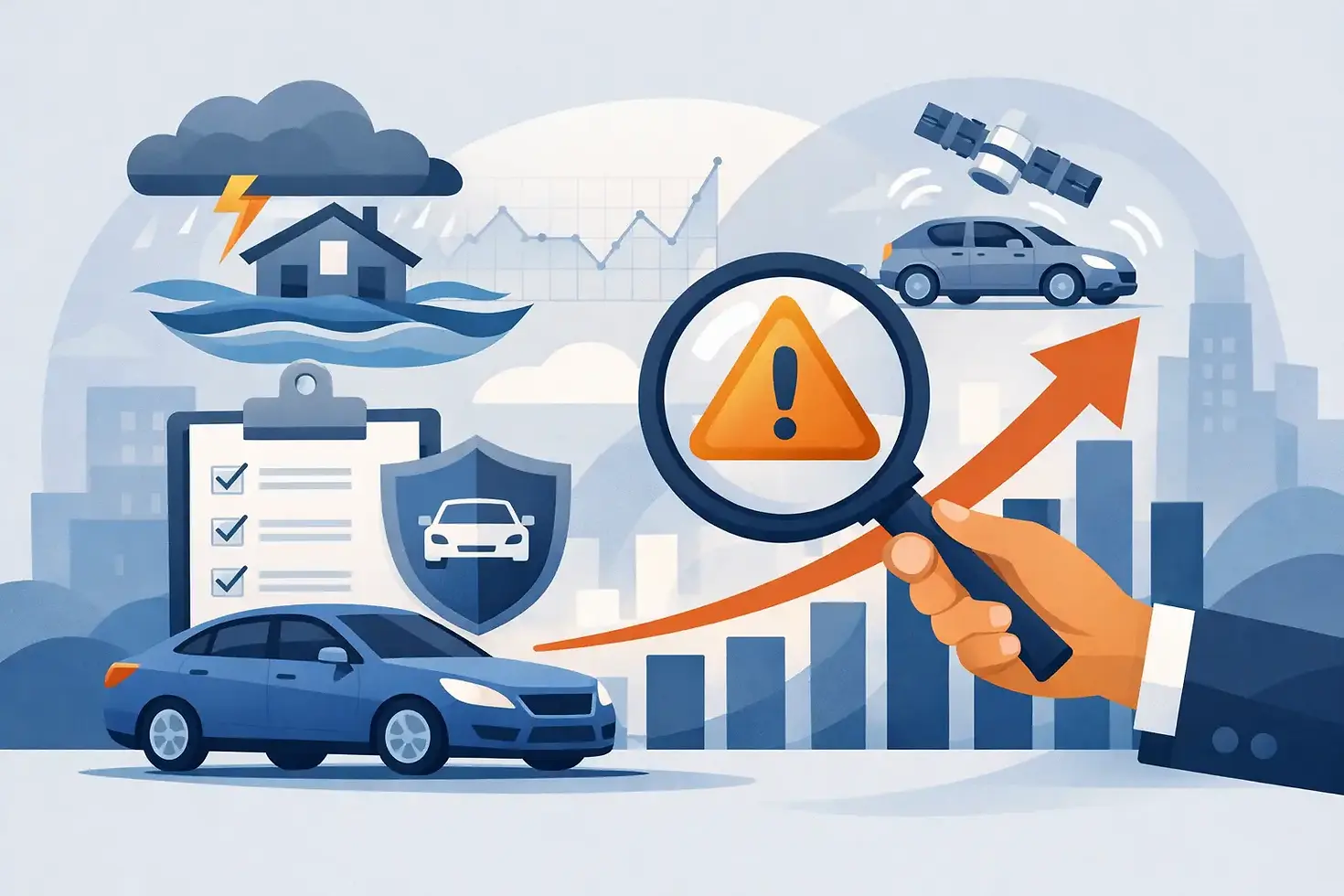
Car Insurance Trends 2026 That Could Raise Rates
- Linda-Lou Taal
- 11 minutes ago
- 5 min read

A small fender bender is no longer always a small claim. A bumper can contain sensors, cameras, radar equipment, and specialized materials that cost far more to repair than drivers expect. That is one reason car insurance trends 2026 matter to New Jersey and Pennsylvania households: the price of coverage is tied not only to your driving record, but also to the rising cost and complexity of the vehicle you drive.
The good news is that a higher premium is not something you simply have to accept. The right policy review can identify outdated coverage, missed discounts, deductible options, and carrier choices that better fit your current budget. Here is what drivers should watch this year.
Car insurance trends 2026 are changing what insurers price
Insurance premiums are built around risk, but risk is not limited to accidents. Insurers also look at the cost to repair vehicles, medical expenses after an injury, theft patterns, severe weather claims, local traffic conditions, and the claims experience of similar drivers in an area.
Repair costs remain a major pressure point. Modern vehicles have valuable safety technology built into mirrors, windshields, bumpers, headlights, and grilles. Even when a crash causes limited visible damage, a repair shop may need to calibrate cameras or sensors before the vehicle can safely return to the road. Parts availability, labor rates, and longer repair times can all increase the final claim cost.
For drivers, that means a vehicle with advanced features may deserve a closer coverage review. Full coverage can be especially valuable when you have a newer vehicle, a loan or lease, or a car that would be difficult to replace out of pocket. On the other hand, paying for comprehensive and collision coverage on an older vehicle with limited value may not always make financial sense. The answer depends on your vehicle's value, your savings, and how much risk you can afford to take on yourself.
Driving data can create discounts, but it is a personal choice
Usage-based insurance programs are becoming more common. These programs may use a mobile app, plug-in device, or connected-car data to evaluate driving habits such as mileage, braking, acceleration, time of day, and phone use while driving. Safer driving may lead to a discount with certain carriers.
This option can work well for a low-mileage driver, a household with a short commute, or someone confident in their driving habits. It can be less appealing if you regularly drive late at night, log heavy mileage, or simply do not want to share driving data. A discount is helpful only when you understand how the program works and whether your rate could change based on the information collected.
Before enrolling, ask direct questions: Is the discount guaranteed? Can the premium increase if the recorded driving habits are unfavorable? What data is collected, and who can access it? Clear answers matter. Convenience should never come at the expense of understanding your policy or your privacy.
Electric vehicles bring different insurance questions
Electric vehicles are more common on New Jersey roads, and they can be economical to operate. Their insurance needs, however, may look different from those of a traditional gas-powered vehicle. Battery systems, specialized parts, certified repair requirements, and limited repair-shop availability can affect claim costs.
That does not mean every electric vehicle is expensive to insure. Rates still depend on the specific model, your location, your driving history, annual mileage, coverage limits, and available carrier discounts. But it does mean that comparing more than one carrier can be worthwhile, especially after buying or leasing an EV.
If you recently added a home charger, it is also a good time to review homeowners insurance. A standard policy may provide protection for certain damage to the home, but coverage details and limits vary. One conversation about your auto and home policies can help prevent a gap you did not know existed.
Higher weather and theft risks make comprehensive coverage worth another look
Comprehensive coverage pays for many losses that do not result from a collision, such as theft, vandalism, hail, falling objects, flood damage, and animal strikes. It is optional when a car is owned outright, but it can be an important layer of protection in the Northeast.
Storm damage is a practical concern, particularly for drivers who park outside or in areas prone to flooding. Vehicle theft and catalytic converter theft can also affect the value of comprehensive coverage. The key is not to assume the coverage is either essential or unnecessary for everyone. Consider what it would cost to repair or replace your vehicle after a non-crash loss, then compare that risk with the premium and deductible.
A higher deductible may lower your monthly or annual premium, but it also means paying more when you file a claim. Choose a deductible you could reasonably cover without putting pressure on your household finances. Saving a little on the premium is not helpful if the deductible becomes unmanageable after a loss.
Liability limits deserve more attention than the minimum required
State minimum insurance requirements are designed to establish a legal baseline. They are not necessarily enough to protect your income, savings, home, or future earnings after a serious accident. Medical bills, lost wages, legal costs, and property damage can add up quickly.
For many established households, increasing liability limits can be one of the most meaningful policy updates. The cost difference between low limits and stronger protection may be smaller than expected, although it varies by driver and carrier. If you own a home, have significant savings, have a teen driver, or regularly transport passengers, it is especially smart to ask whether your current limits still fit your life.
New Jersey drivers should also review personal injury protection, often called PIP, and uninsured or underinsured motorist coverage. These parts of a policy can be difficult to compare at a glance, yet they may matter greatly after an accident involving injuries or a driver with too little insurance.
How to shop smarter when your policy renews
The best time to review car insurance is before a renewal notice leaves you with a deadline. Your rate can change even if you have not had an accident, so a higher renewal offer should prompt a comparison rather than an automatic acceptance.
Start with the details that have changed since your last quote. A new vehicle, paid-off loan, move, marriage, teen driver, remote-work schedule, or lower annual mileage can all affect your options. Bundling auto and home insurance may also create savings, but the bundle is only worthwhile when the coverage and total price make sense.
When comparing quotes, make sure the policies are actually comparable. A lower price may reflect lower liability limits, a larger deductible, missing rental reimbursement, or less roadside assistance. Price matters, but the least expensive policy is not always the better value when it leaves you exposed after a major claim.
Use this quick review before requesting quotes:
Confirm each vehicle's annual mileage and primary driver.
Review liability, uninsured motorist, collision, and comprehensive limits.
Check whether your deductible fits your emergency savings.
Ask about discounts for bundling, safe driving, vehicle safety features, students, and payment options.
Compare at least the same coverage level across available carriers.
A local conversation can make the choices clearer
Online quotes are useful, but they do not always explain why one policy costs less or what coverage was removed to reach that price. That is where an independent agency can help. Instead of being limited to one insurer's options, you can compare policies from multiple highly rated carriers and ask questions before making a decision.
For households in Burlington, Mercer, Monmouth, and other New Jersey communities, a policy review can account for the realities of local commuting, weather, property ownership, and family needs. Graystone Insurance can help make those choices easier to understand while keeping the focus on affordable protection.
A 2026 policy review does not have to be complicated. Bring your current declarations page, think honestly about what has changed in your household, and compare coverage before your renewal date. A few minutes spent asking the right questions can help you protect the car, home, and family you have worked hard to build.


Comments