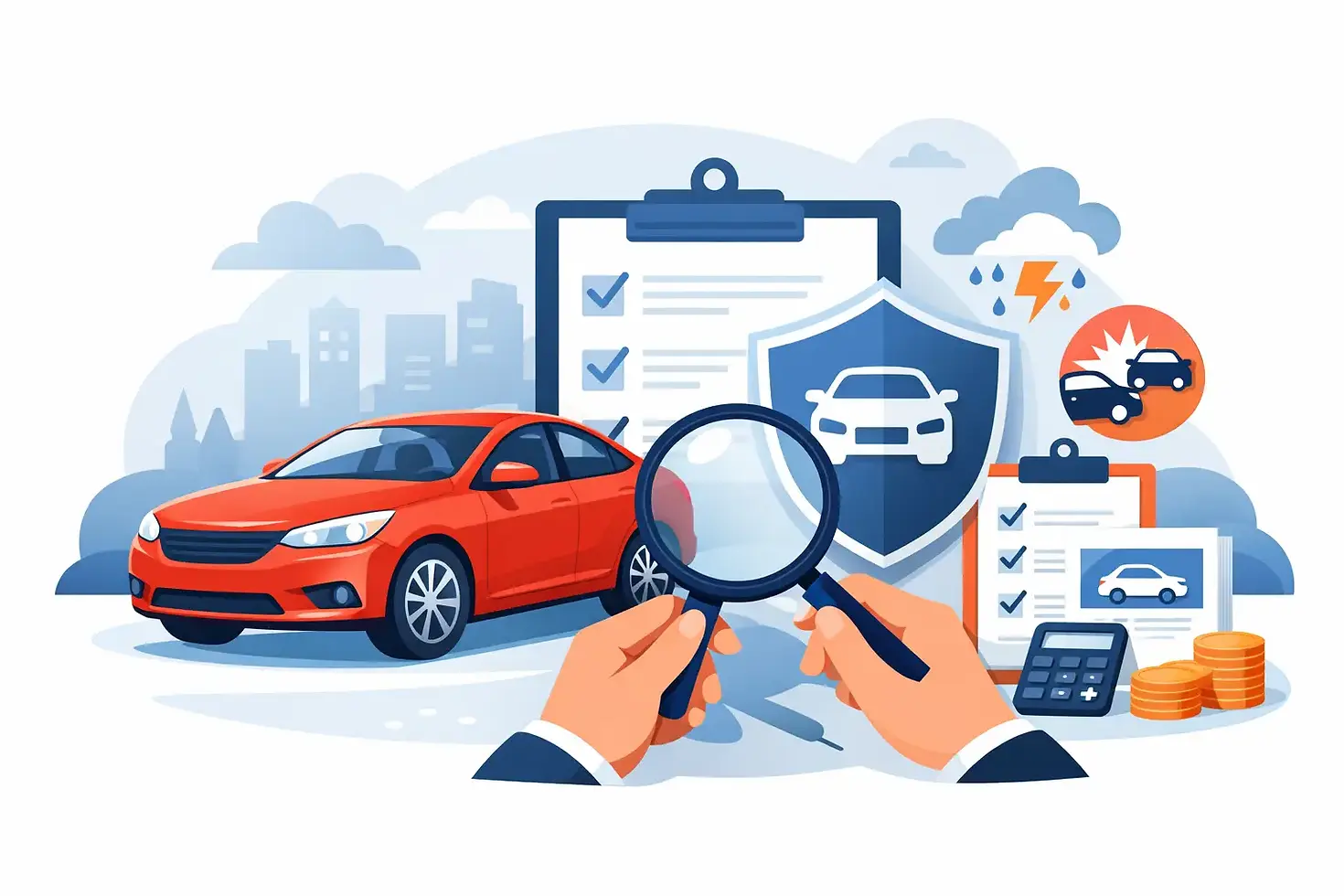
Car Insurance for New Vehicle: What to Get

The paperwork is signed, the keys are in your hand, and then the dealership asks for proof of insurance before you can drive off the lot. That is usually the moment car insurance for new vehicle buyers stops feeling like a simple checkbox and starts feeling expensive, confusing, and urgent.
The good news is that buying coverage for a newly purchased car does not have to be complicated. What matters is getting the right protection for your vehicle, your budget, and your risk tolerance - not just picking the cheapest policy or automatically accepting every extra option offered to you.
What car insurance for new vehicle buyers should cover
A new vehicle usually comes with a bigger financial risk than the car you replaced. Its value is higher, repair costs can be steeper, and if you financed or leased it, your lender may require more than basic state minimum coverage.
At a minimum, most drivers need liability insurance because it helps pay for injuries or property damage you cause to others. In New Jersey and Pennsylvania, minimum requirements exist, but minimum coverage often leaves major gaps. If you are driving a brand-new SUV, truck, or sedan, a bare-bones policy may save money up front while exposing you to much larger out-of-pocket costs later.
For many buyers, full coverage is the more realistic starting point. That usually means liability, collision, and comprehensive coverage together. Collision helps cover damage to your own car after an accident, regardless of fault in many situations. Comprehensive helps with non-collision losses like theft, vandalism, hail, falling objects, or animal strikes.
If your vehicle is financed or leased, full coverage is often not optional. Even when it is, dropping collision or comprehensive on a new car usually does not make sense because the amount you stand to lose is still high.
Why the cheapest policy can cost more later
Price matters. Most households are trying to keep monthly bills under control, and insurance is no exception. But with a new vehicle, the cheapest quote is not always the best value.
A low premium can come from higher deductibles, lower liability limits, or missing protections that become very important after a claim. If you cause a serious accident and your liability limits are too low, the difference can come out of your savings. If your car is stolen and you skipped comprehensive, you could be left paying for a vehicle you no longer have.
That does not mean you need every add-on available. It means your policy should match what you can realistically afford if something goes wrong. Good insurance is not just about reducing the bill today. It is about avoiding a much larger bill later.
New car coverage options worth considering
Not every optional coverage belongs on every policy, but a few are especially relevant when insuring a new vehicle.
Gap insurance
New cars depreciate quickly. If your vehicle is totaled early in the loan term, your insurance settlement may be less than what you still owe. Gap insurance helps cover that difference. This can be especially valuable if you made a small down payment, financed for a long term, or rolled negative equity from another vehicle into the loan.
New car replacement or better car replacement
Some carriers offer coverage that replaces a totaled new car with a brand-new one of similar make and model, rather than paying only the depreciated value. Availability varies by carrier and vehicle age, but this feature can make a big difference in the first year or two of ownership.
Rental reimbursement
If your new vehicle is in the shop after a covered claim, rental reimbursement can help pay for a temporary car. For commuters, families with one primary vehicle, or anyone who cannot afford transportation delays, this is often a practical add-on.
Roadside assistance
A new vehicle may already include roadside help through the manufacturer, so this one depends on what you already have. If not, adding roadside assistance through your policy can be worthwhile for towing, jump starts, lockouts, and flat tires.
How lenders and leases affect your coverage
If you own your vehicle outright, you have more flexibility. If you financed or leased it, the rules are tighter.
Lenders typically require collision and comprehensive because the car serves as collateral. Lease agreements can go even further, sometimes requiring specific deductibles or higher liability limits. Some may also require gap coverage.
This is where details matter. A policy that looks acceptable at first glance may not satisfy your financing agreement. Before finalizing coverage, make sure the policy meets lender or leasing company requirements so there are no delays or surprises.
How much car insurance for new vehicle owners really need
There is no one-size-fits-all answer because the right amount depends on the car, your assets, your driving habits, and your monthly budget.
A driver with a paid-off compact car and substantial emergency savings can make different choices than a family that just financed a new three-row SUV with a long loan term. Someone commuting daily on crowded roads in New Jersey may want stronger liability limits than someone who drives less often in lower-traffic areas.
In general, higher liability limits are worth serious consideration for most households. Medical bills and repair costs add up quickly, and state minimums often do not go very far after a major accident. Choosing limits that better protect your income, savings, and future earnings can be one of the smartest decisions on your policy.
Deductibles also deserve attention. A higher deductible can lower your premium, but only if you could comfortably pay that amount after an accident. If a $1,000 deductible would create financial stress, a lower deductible may be the better fit even if the monthly premium is higher.
What affects the price of a new vehicle policy
Many drivers assume insurance is based only on age and driving record. Those factors matter, but they are only part of the picture.
Your rate can also be affected by the vehicle itself, including repair costs, theft rates, safety features, engine size, and claim history for that model. Where you live matters too. Dense traffic, weather risks, and local claim patterns can all influence pricing. That is one reason drivers in parts of New Jersey and Pennsylvania often see meaningful differences between carriers.
Your coverage selections also shape the quote. Higher limits, lower deductibles, and extra endorsements usually raise premiums. Discounts can help offset that cost. Bundling auto with home or renters insurance, maintaining a clean driving history, completing defensive driving programs, or insuring multiple vehicles may all create savings opportunities.
Why comparing carriers matters more with a new car
A new vehicle is exactly when carrier differences become more noticeable. One company may be very competitive for a standard sedan but expensive for a luxury SUV. Another may offer stronger new car replacement coverage but a higher base premium. Another may be the better fit for bundled households.
That is why working with an independent agency can be helpful. Instead of being limited to one carrier's pricing and rules, you can compare options across multiple insurers and find a policy that balances cost with the level of protection you actually want. For practical shoppers, that usually leads to a better outcome than guessing your way through online quotes alone.
Graystone Insurance helps drivers compare affordable options from multiple carriers so coverage can be tailored to the vehicle, the household, and the budget - not forced into a generic package.
Mistakes to avoid when insuring a new vehicle
One common mistake is assuming the dealer's proof-of-insurance request means your old policy automatically gives enough protection. Some policies extend temporary coverage to a newly purchased vehicle, but the time window is limited and the terms vary. You still need to formally add the car and confirm the coverage details.
Another mistake is focusing only on the monthly payment. A lower premium can look attractive until you notice weak liability limits or a deductible that is too high to manage comfortably.
Drivers also sometimes overlook gap coverage, especially when the car payment already feels high. But if the vehicle is totaled early in the loan, that missing coverage can become very expensive very fast.
Finally, do not assume every policy treats custom equipment, rideshare use, or teen drivers the same way. If any of those apply to your household, mention them before you bind coverage.
When to shop for coverage
The best time to shop is before you take delivery of the vehicle. That gives you time to compare options, ask questions, and avoid making a rushed decision in the finance office.
If you already bought the car and need coverage quickly, you can still make a smart choice by focusing on the essentials first: liability limits, collision and comprehensive, deductibles, and any lender-required protections. Once the policy is active, you can review discount opportunities and fine-tune the details.
A new vehicle is a major purchase. The insurance should protect that investment without straining your budget more than necessary. A few extra minutes spent comparing coverage now can save you money and frustration long after the excitement of the purchase wears off.
The right policy should let you enjoy the new car, not worry about whether one accident, theft, or storm will put your finances in a bind.


Comments